
Lily who is 10, with her drip painting.

Lily who is 10, with her drip painting.

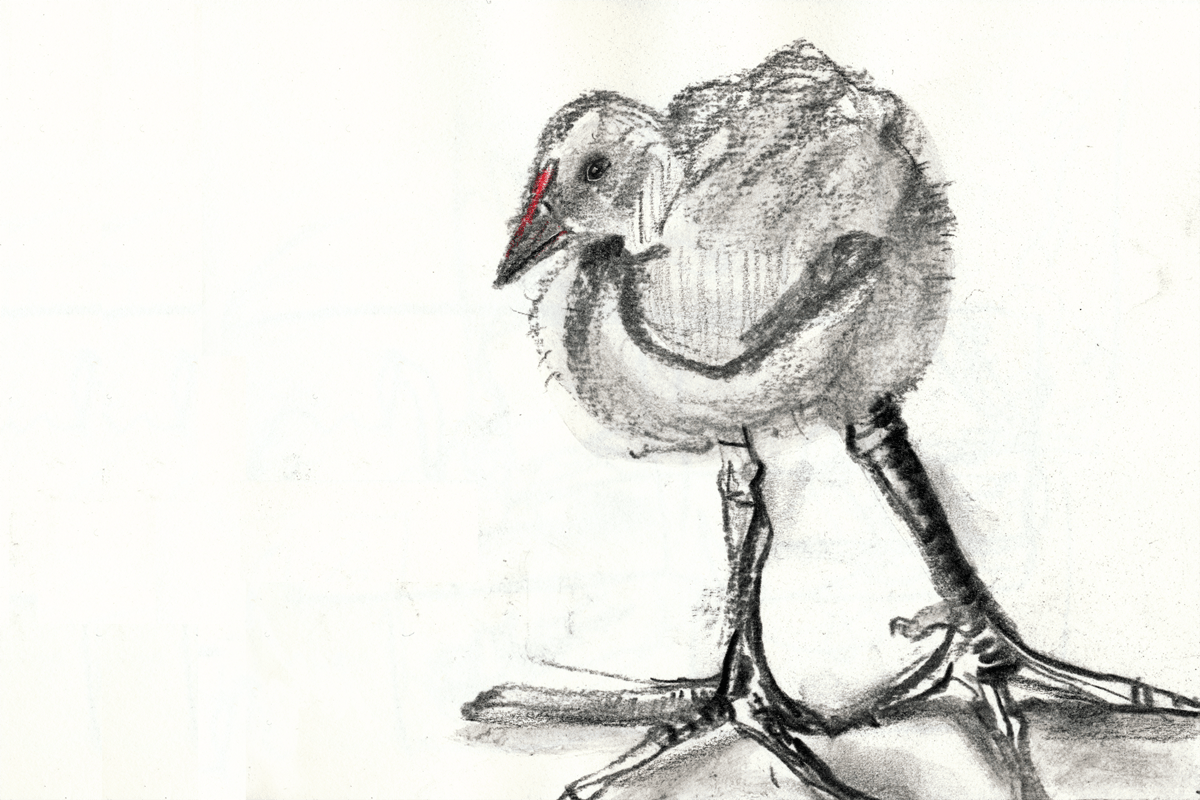
Next week, Enderby Studio Art Program will host guest artist, Maree Woolley. Maree has worked as a freelance illustrator and animator on numerous award-winning multimedia titles for broadcasters and multimedia production houses.
Maree has a love of drawing. Her drawings are evocative notations of everyday objects and zoo animals. They are economical and skillful, often containing subtle, delightful narratives.
You can see more work at:

ESAP guest artist David Palliser has moved to Block Projects gallery in Richmond.

Due to Jesse having been invited to present at a symposium of the Royal College of Arts, the previously scheduled Melbourne Art Class short course in Life Drawing is now postponed to May. For more information please go to life drawing.
Often, working creatively is seen as a completely intuitive, whimsical and spontaneous process. Nobody that I know, who is producing consistently, works in this way. While intuition and spontaneity do play a part in the creative process often it is just dogged persistence that gives results. I have put together the following chart to help manage and encourage persistence in the creative process.

It can be difficult to do creative work when you have limited time and have to maintain other responsibilities such as study, work and family. So how can you achieve the most with the limited time you have?
I have frequently struggled with this question and have put together the following thoughts based upon my own experience and that which I have observed in the lives of other artists.
Curiosity
Creativity is a part of life and should not be isolated to your work time. A curiosity and passion for life is a key element of getting ideas. Creative people usually have an interest in how things around them look, feel, smell, how people behave and what makes things work and not work. They tend to appreciate other people’s creative work and the natural world. They observe and they reflect. So, although life may be busy, the many instances when we are engaging in our daily routines present many opportunities to use our natural curiosity and to be passionate about our existence. This engagement with life will breed new thoughts and ideas.
Space
You need a space to explore ideas playfully. This is a place for your creative work. Perhaps this could be a room, a corner, a desk or your studio. It can be a place where you leave special objects and your associated thoughts. This is a place where you leave your work and can return to it to see it again. It is a well organised space that has the materials you need, when you need them so that you can pick up on a thread of an idea quickly. When completing your creative work, you take the time to reflect on your work while cleaning and organising your space so that it is ready to receive you the next time you come.
Journal
Ideas and observations are a special insight and they need to be treated carefully so that we can all benefit. They can lead to great work but we have to be ready to record them as they come. A journal, a sketch book or book you can write in offers a place to jot ideas, sketch, observe, plan and play. It is a private space and you can put down whatever comes to mind regardless of whether it makes sense at the time. I keep several journals and pencils around me. I have one in the car and I usually travel with one. Although I am often away from my work space I try to maintain a discipline of drawing and writing in my journal. It becomes my little travelling work space.
Consistency
Be consistent in your work schedule even if it is only a few hours a week. Your commitment to journaling or working in your space is important for your creative development. If you are like me you will find that periods of time pass when you are not able to be consistent. If you have been maintaining a curiosity and passion for the tasks you have been doing in your life, you probably have been creative in other ways and this will be useful for your work when you return.
Unclutter
Our minds need the freedom to process information and ideas. I find that my mind works better if I am able to release myself from worry, apprehension and needless distraction. I try to limit wasteful distractions, my ideas mostly coming from my daily experiences and reading. I think carefully about whether I need extra ‘things’ in my life as the more I have, the more my mind is occupied. I try to maintain a routine that allows me to free my mind at some stage in the day. Curiously, I’ve found that I get my best ideas while doing menial tasks such as washing the dishes. This document came to me while washing the dishes and was initially written on some serviettes.
The pressure we put on ourselves to be creative can also clutter our minds. For me it was a combination of a demanding life with the added pressure of coming up with new ideas that had for a period of several years brought my creative work to a standstill. It was only after walking away from the pressure to create that I found ideas began to flow again. I have learnt a lot from that experience. I now cycle my projects through a process of focusing on them then letting them go. I will work on the project until it is clear I am making little headway. I then leave it alone, switch to another project or task until from somewhere in my subconscious mind the solution to the problem emerges or until I am ready to return to the project with a clear mind. Then I repeat the process for the next stage of the project.
Set Objectives
Once you know which direction you want to go in then apply clear objectives and parameters to ensure you get there.
What is it you want to achieve? What are the qualities your successful project will have? What is the strategy you can employ to get there? Who or what can help?
Feedback
Seek feedback from positive people whose judgement you trust and avoid exposure to people whose judgment you don’t trust. With sincerity and openness, you may find the opportunities to befriend people that have the knowledge and experience you seek.
Discuss your work with others as it develops and always be open to new perspectives.
Exposure
Find places to expose your work. If you have worked hard for your idea then you need to be a good advocate for it. Telling a story about the development of the idea will most likely draw some interest.
Rest
Take a break. After a heavy work schedule on a project you need rest your body and to free your mind so that you can return to living with a curiosity for life.

A recent painting by guest artist, David Palliser.

This Tuesday November 20th, Jesse Dayan is coming to speak about his recent exhibition. In recent years Jesse has been steadily building an extensive knowledge and body of work which reflects some of the most pertinent aspects of past and contemporary painting and drawing practice. www.jessedayan.com